
The Indigeneity Project and Palestine
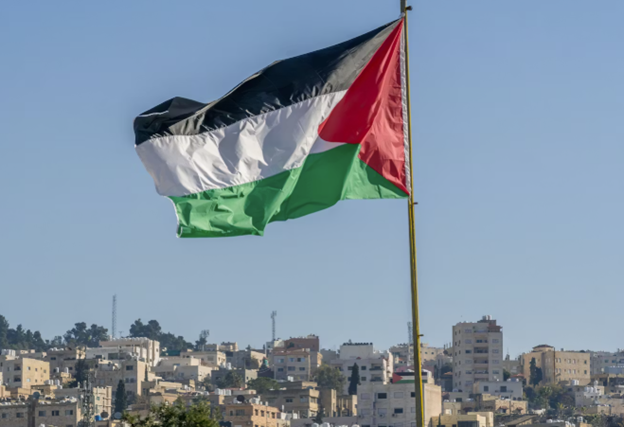 The concept of indigeneity relates to a peoples’ customary sense of belonging.
Indigeneity is firmly grounded in the longstanding historical occupation of known landscapes, alongside a commensurate and evolved culture which embodies those landscapes. Ancestral connections are recorded over time, and are much reverred in a myriad of cultural expressional forms, such as language and art, which emphasise self-identification and self-worth.
For Māori, such indigenous connections to the landscapes of Aotearoa New Zealand are well established and are widely-accepted, though, since the earliest days of European colonisation, Māori have had their detractors, challenging their indigeneity. There has been a very long and hurtful challenge to Māori indigeneity, over the years. But such detractors, whilst still vocal, now form a distinct minority in New Zealand.
 In this light, Māori view the challenges to Palestinian indigeneity with particular concern; and with heightened empathy for our fellow indigenous Palestinians.
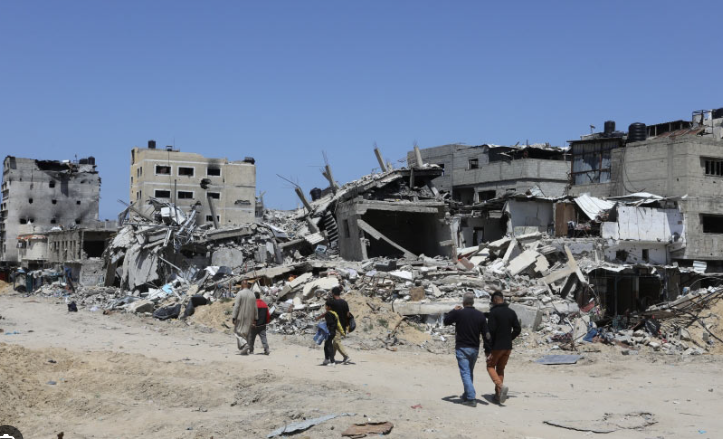 The respective colonial histories of Aotearoa and Palestine are of course immensely different, much exacerbated these days in Palestine by the aggressive and genocidal actvities of occupying Israelis. During the 19th century, New Zealand was essentially also on a war-footing for about seventy years, with, at one stage, some 12,000 British troops stationed here.
Such a situation has affected many indigenous peoples throughout the world, especially in the Pacific, the Americas and Africa; and it persists today in the Palestinian territories.
The purpose of the Indigeneity Project is to provide a comprehensive historical account of such global occurrences of occupation and subjugation, over time, especially however emphasising indigenous histories and strategies of maintence and assertion of identity. Though eggregiously afflicted by hurt, dispossession and loss, the activities of indigenous peoples have always been founded upon customary theologies and assertions of legitimation and liberation.

Research is currently being undertakend and will soon be published here, as the Indigeneity Project develops further.